
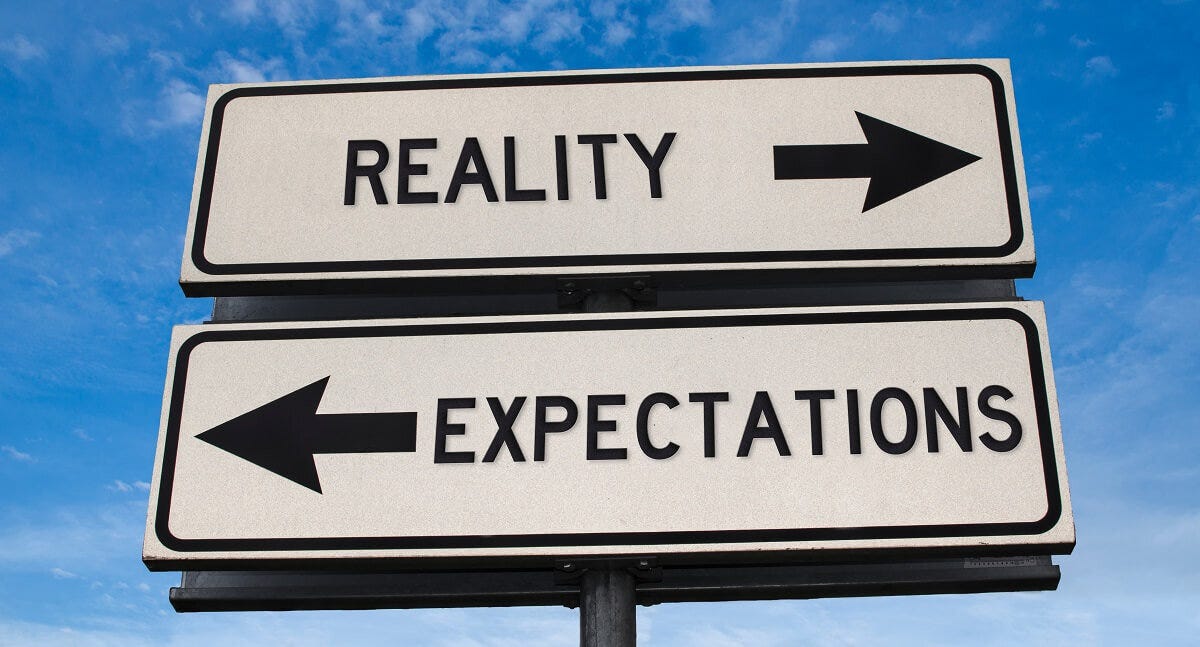
A lot of frustration does not come from what happened.
It comes from the gap between what you hoped would happen and what reality actually gave you. The missed reply, the slower progress, the plan that changed, the person who did not show up the way you imagined.
A lot of frustration comes from expecting the process to be cleaner than it is.
I’d look at Viktor as a useful way to close that gap at work: it helps teams build AI-powered engineering apps and workflows that are secure, traceable, and easier to collaborate on, so fewer important steps depend on memory, guesswork, or the person who happens to know the system best.
Your ads ran overnight. Nobody was watching. Except Viktor.

One brand built 30+ landing pages through Viktor without a single developer.
Each page mapped to a specific ad group. All deployed within hours. Viktor wrote the code and shipped every one from a Slack message.
That same team has Viktor monitoring ad accounts across the portfolio and posting performance briefs before the day starts. One colleague. Always on. Across every account.
MINDSET
🧠 From “Better expectations mean expecting the best” to “Better expectations mean expecting reality to be imperfect.”
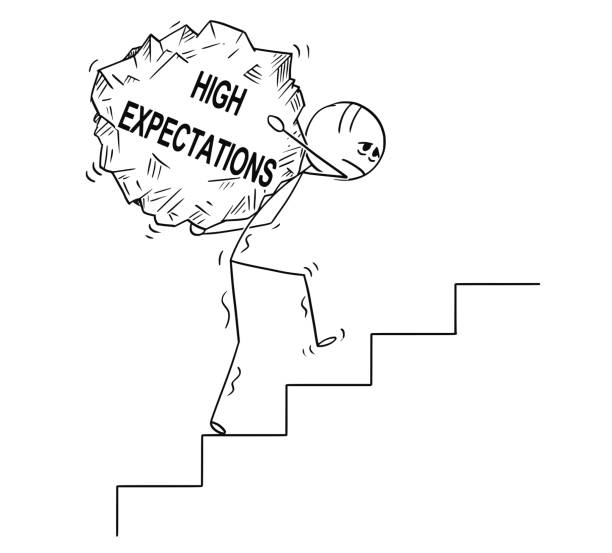
The issue with the first mindset is that it quietly sets you up to be surprised by things that are actually normal. Delays happen. People miscommunicate. Energy fluctuates. Progress takes longer than you wanted.
When your expectations leave no room for friction, everyday life starts feeling like a personal offense. A more grounded approach is not pessimism. It is emotional accuracy. Stronger expectations do not ask life to behave perfectly. They leave room for human limits, slow processes, and the fact that not everything will go according to your preferred script.
HABIT
The Reality Buffer

Before something important, build in a small buffer for what could go wrong. This works because disappointment often hits hardest when you planned for only one version of events. A buffer makes you more adaptable. It keeps one disruption from taking down your whole mood.
To start in under 5 minutes: pick one area of your week and ask, “What is the most likely friction point here?” Then plan one adjustment before it happens.
Here is what that can look like in real life:
If you expect a productive morning, assume one interruption and decide your top priority in advance.
If you are waiting on someone’s reply, expect it may take longer than you want, and choose what to focus on in the meantime.
If you are working toward a goal, expect progress to be uneven and track effort, not just outcomes.
If you are seeing someone or having a hard conversation, expect that they may not respond exactly how you hoped, and decide how you want to stay grounded either way.
The buffer is not there to make you cynical. It is there to keep you steady.
Reset question:
Where in your life are unrealistic expectations creating avoidable disappointment?
Some marketing frustration comes from building campaigns around what you hope people will do instead of what their behavior is already telling you.
Hightouch Ad Studio is the kind of tool I’d want behind the scenes because it helps teams use real customer data to shape ad audiences and campaigns with less guessing, less waste, and fewer assumptions doing the heavy lifting.
AI ads that look and feel like your brand

Most AI tools fall short because they lack context. They generate in a vacuum.
Hightouch Ad Studio uses your data and brand guidelines to produce high-quality creative. Refresh ads based on performance, react to trends, and respond to competitors instantly.
Less time prompting. More time launching.
EXECUTION
Do This Today

Notice one area where you keep feeling let down: Repeated frustration usually points to an expectation worth examining more closely.
Write down what you are expecting: Seeing it clearly helps you tell the difference between a reasonable standard and an unspoken fantasy.
Adjust it to something more honest: Keep the standard, but add room for delays, imperfections, or other people’s limits, because reality goes down easier when you stop demanding ideal timing.
Choose one grounded response ahead of time: Decide what you will do if things do not go your way, because emotional balance gets stronger when your response is not improvised under stress.
This is how expectations start working for you instead of against you. You stop making every disruption mean something bigger than it does, and you move through life with a little more flexibility and a lot less unnecessary disappointment.
One more thing
Peace grows when your expectations stop demanding a perfect world and start helping you walk wisely through a real one.
Until the next self-check-in,
