

Impulsiveness rarely feels dramatic in the moment.
It looks like buying the thing, sending the text, saying yes too fast, snapping back, or chasing a quick feeling without stopping long enough to ask what it will cost you later.
Impulsiveness usually wins because action outpaces reflection. The feeling spikes, the hand moves, the message is sent, the purchase is made, and only then does your wiser mind arrive, asking whether that was actually what you wanted. A better system gives your judgment a chance to catch up before the moment starts spending for you.
That is why Storeclaw felt worth including here. It helps e-commerce teams use AI to improve store performance and efficiency, making decision-making feel less reactive and more intentional.
Don't Leave Millions on the Table

Every day without AI, your store falls behind. StoreClaw helps e-commerce sellers automate growth with AI that monitors competitors, optimizes listings, automates marketing, and tracks real profit across Shopify, Amazon, and more. No complex setup or extra hires — just smarter operations, higher conversions, and more revenue.
MINDSET
🧠 From “I just need stronger self-control” to “I need to slow the gap between urge and action.”

A lot of people treat impulsiveness like a personality flaw, but that framing is too blunt to be useful. Most impulsive choices happen when your nervous system wants quick relief, reward, or discharge. The urge feels pressing, so your brain starts acting as if immediate action is the safest option.
Research on delayed gratification points to something important here: better decisions often come from creating a little distance between the craving and the response. You do not need to become emotionless. You need more time for your wiser brain to catch up.
HABIT
The Ten-Minute Delay
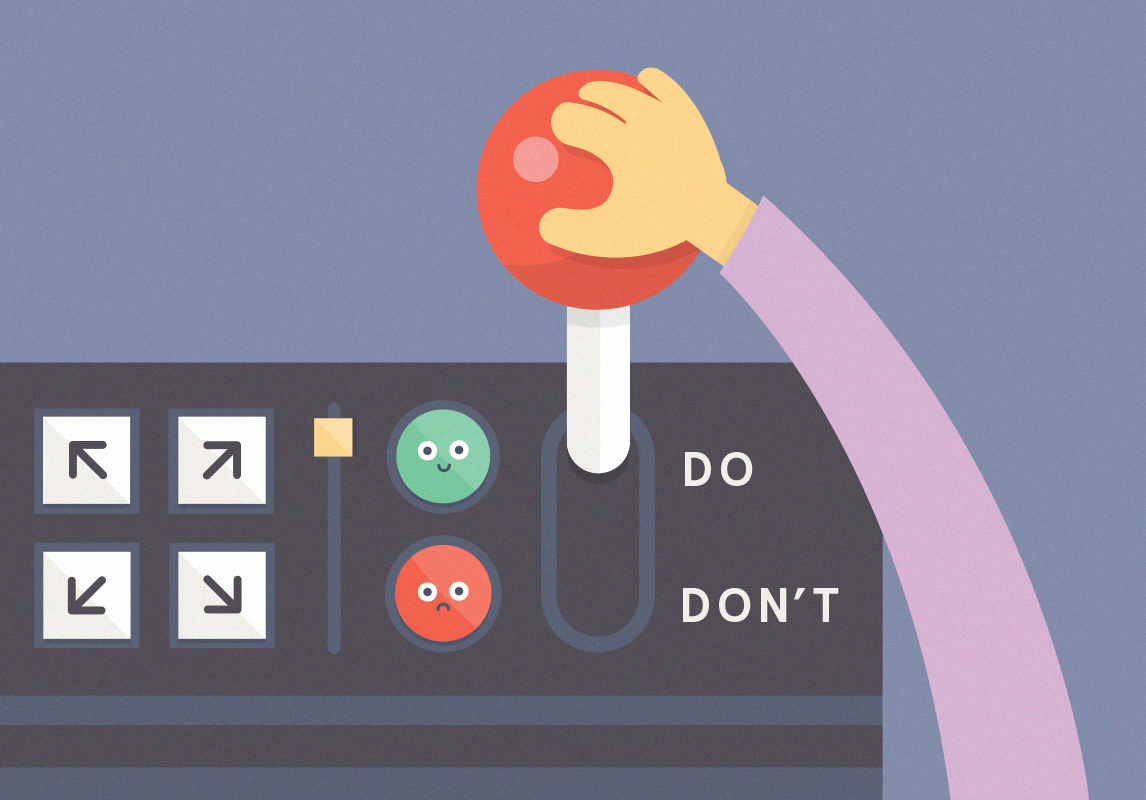
When you feel the urge to act quickly, delay for 10 minutes before acting. This works because impulses are strongest at the moment of first spiking. If you can sit through the first wave without obeying it, the intensity often drops enough for clearer thinking to return. The goal is not to deny every urge. The goal is to stop treating every urge like an order.
To start in under 5 minutes: choose one area where you tend to act too fast and make ten minutes your new default pause.
Here is what that can look like in real life:
If you want to send a reactive message, write it in your notes first and wait ten minutes.
If you want to buy something online, put it in the cart and come back after a short walk.
If you want to quit a task because it feels uncomfortable, stay with it for ten more minutes before deciding.
If you want to say yes immediately, tell the person you will get back to them shortly.
That short delay gives you a chance to ask whether the action matches what you want, not just what you feel.
Reset question:
What kind of impulse in your life keeps getting mistaken for something that needs an immediate answer?
The pause matters because it creates a little space between the feeling and the choice. Not enough to become distant. Just enough to ask whether this is something you actually want to do, or simply something you want relief from right now. That small difference can change a lot.
That is why Deel’s global hiring guide felt worth including here. It offers a clearer process for international hiring, helping teams make important decisions with more structure and less haste.
Hiring in 8 countries shouldn't require 8 different processes

This guide from Deel breaks down how to build one global hiring system. You’ll learn about assessment frameworks that scale, how to do headcount planning across regions, and even intake processes that work everywhere. As HR pros know, hiring in one country is hard enough. So let this free global hiring guide give you the tools you need to avoid global hiring headaches.
EXECUTION
Do This Today

Pick one impulse pattern you know well: Start with a real one like spending, reacting, overeating, scrolling, or overcommitting, because specific patterns are easier to interrupt.
Write down what usually triggers it: Stress, boredom, loneliness, anger, and fatigue all create different kinds of urgency, and the trigger helps explain the urge.
Choose your pause replacement: Walk, breathe, drink water, write the text without sending it, or stand up and reset, because a pause works better when it has a shape.
Use the ten-minute delay once today: Even one interrupted impulse matters, because every pause teaches your brain that wanting something fast is not the same as needing it now.
This is how you become less impulsive in real life. Not by becoming rigid, but by building more room for choice. Over time, that room becomes one of the clearest forms of self-respect.
One more thing
A stronger life is often built in the small moments when you stop letting urgency pass for wisdom.
Until the next self-check-in,
